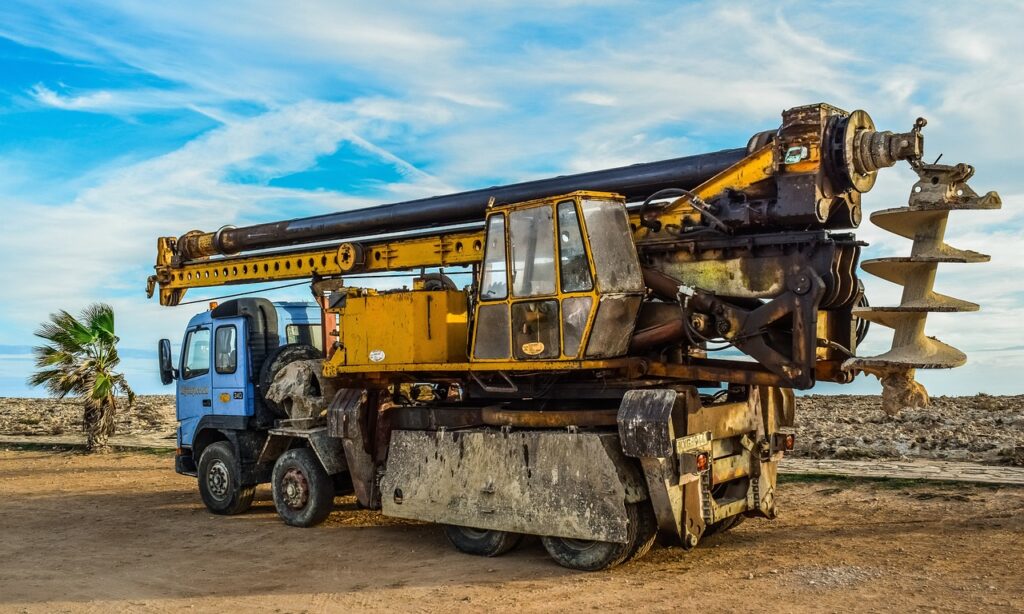
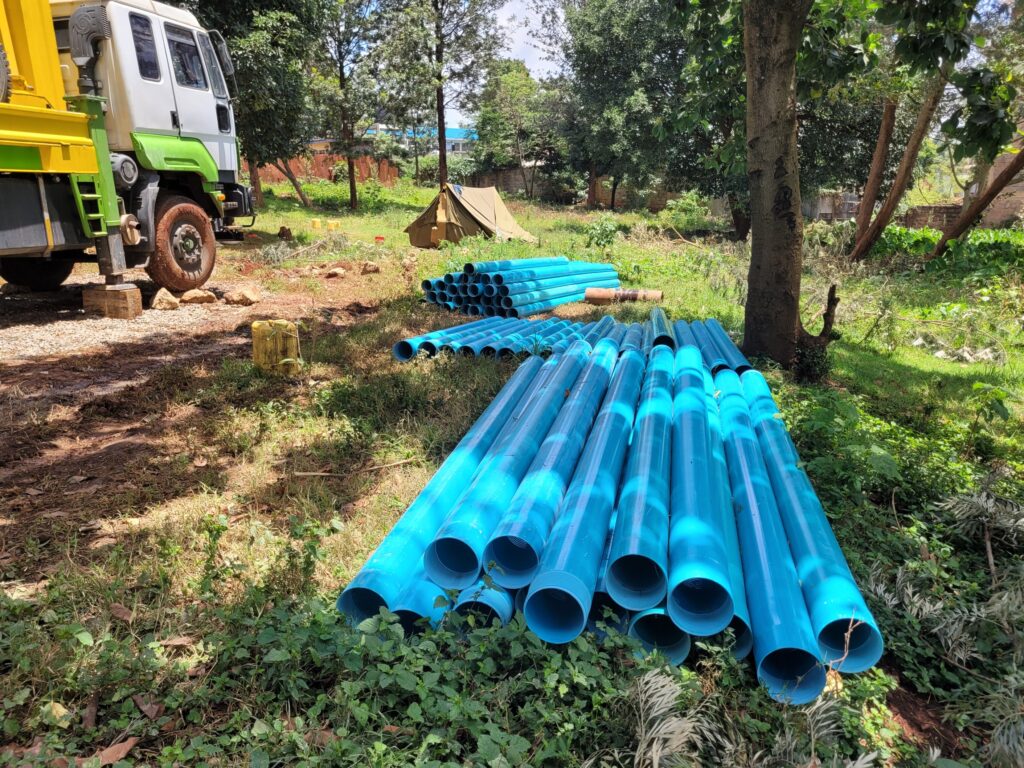
Dry conditions across Kenya’s ASAL counties are pushing more households and farms toward borehole drilling during drought.
Kenya is in the middle of one of its most severe drought cycles in recent years. The National Drought Management Authority has placed several counties, including Kajiado, Kitui, Kilifi, and Kwale, in the “alert” phase, with Mandera in full “alarm” status. That reality is exactly why so many people are now asking about borehole drilling during drought in Kenya, and whether it even makes sense to drill when the ground is this dry.
If you have been putting off borehole drilling during drought because you assumed the timing was wrong, this is the question we get most right now: does drought make drilling harder, or does it make drilling more urgent? The honest answer is both, and understanding why can save you money and stress.
Why Borehole Drilling During Drought Does Not Mean Waiting for Rain
It feels natural to assume drilling should wait until the rains return. In reality, a borehole taps groundwater held deep in an aquifer, not the surface water that dries up when rainfall drops.
Aquifers are recharged over months and years, not days. A properly sited borehole in a productive aquifer will usually keep producing water through a dry season, which is exactly why boreholes are the backbone of water security in Kenya’s driest counties.
Waiting for rain before drilling often means waiting through months of trucked water costs, queuing at shared points, or rationing supply for your home, farm, or business. Understanding how the water table works makes it clear why the timing of borehole drilling during drought has little to do with the timing of rainfall overhead.
What Changes When You Choose Borehole Drilling During Drought
Drought does not usually stop a borehole from producing water, but it does change a few practical realities on the ground.
Demand for drilling services rises. When boreholes are the only reliable option, more households, farms, and institutions request surveys and drilling at the same time. Booking early avoids the longer wait times that build up during peak drought months.
Water tables can sit lower. In prolonged dry spells, shallow aquifers may show reduced yield, which is one more reason a proper survey matters more than ever, not less.
Some rock formations become harder to read without data. Dry conditions can mask surface indicators that hydrogeologists sometimes use as early clues, so professional survey equipment becomes more important than guesswork or local rumor about “good spots.”
Does a Hydrogeological Survey Still Work for Drilling During Drought?
 This is the part people misunderstand most about borehole drilling during drought. A hydrogeological survey does not measure current rainfall. It measures underground geology, rock formations, and aquifer characteristics that stay largely stable regardless of the season above ground.
Our hydrogeological survey guide explains the full process, but the short version is this: a survey conducted in the driest month of the year and one conducted in the wettest month will point to the same underground water source. Drought season is actually a reasonable time to survey, since surface water is not around to create false confidence in a poor site.
The Real Cost of Delaying Borehole Drilling During Drought
Drilling costs are shaped by depth, geology, and logistics rather than the weather, but drought indirectly pushes your total cost of water access upward the longer you delay. Trucked water, rationed municipal supply, and crop or livestock losses from an unreliable source all carry a real price, even if that price never appears on a drilling invoice.
Our guide to borehole drilling costs in Kenya breaks down what actually drives your quote. If you want to see how borehole drilling during drought compares to continuing to pay for alternative water sources, our Borehole Cost Calculator gives you a clear, judgment free starting point.
Farms and Institutions Feel Drought First
If you run a farm, school, or commercial property, drought exposes weak water infrastructure faster than almost anything else. Crops fail without irrigation, livestock suffer, and operations grind to a halt when a shared or municipal source runs dry.
A dedicated borehole paired with a proper irrigation plan removes that single point of failure. Our post on why relying on rainfall is a gamble covers this in more depth if water security for agriculture is your main concern.
How to Start Borehole Drilling During Drought in Kenya
Start with a hydrogeological survey rather than jumping straight to a drilling date. This confirms whether your specific plot has viable groundwater and roughly how deep you will need to go.
From there, a licensed contractor should handle permitting through the Water Resources Authority alongside the technical planning, so the two move in parallel instead of adding extra weeks to your timeline. Working with a WRA licensed team from the start avoids the delays and rework that come from unlicensed operators.
FAQs About Borehole Drilling During Drought in Kenya
Does drought reduce how much water a borehole can produce?
Deep, well sited boreholes tap aquifers that are far more stable than surface water, so yield is generally driven by geology rather than short term rainfall. Shallow wells are more exposed to seasonal drops.
Is it more expensive to drill during a drought?
Drilling costs are driven by depth, geology, and access, not by rainfall. What rises during drought is demand for drilling slots and the ongoing cost of alternative water sources while you wait.
Can a hydrogeological survey be wrong because of dry conditions?
No. A survey reads underground rock and aquifer structure using geophysical methods, which does not change with the seasons the way surface water does.
How long does the whole process take once I decide to drill?
Timelines vary by site and county, but a survey, permitting, and drilling can often be completed within a matter of weeks when handled by one team rather than passed between separate contractors.
Don’t wait out the dry season on borrowed water
Speak to a licensed Bonvic Drilling engineer about whether your site is ready for a borehole now.