
Your borehole was working well. Then the flow dropped, the water turned muddy, or the pump got stuck. These are classic signs of a borehole collapse.
The good news is that many collapsed boreholes can be repaired. The key is to act fast and find out what went wrong.
This guide explains why boreholes collapse, how to spot the warning signs, how they are repaired and how to prevent it from happening again.
Think your borehole has collapsed? We inspect and rehabilitate boreholes across Kenya.
💬 WhatsApp usor call 0727 666 444
What Is a Borehole Collapse?
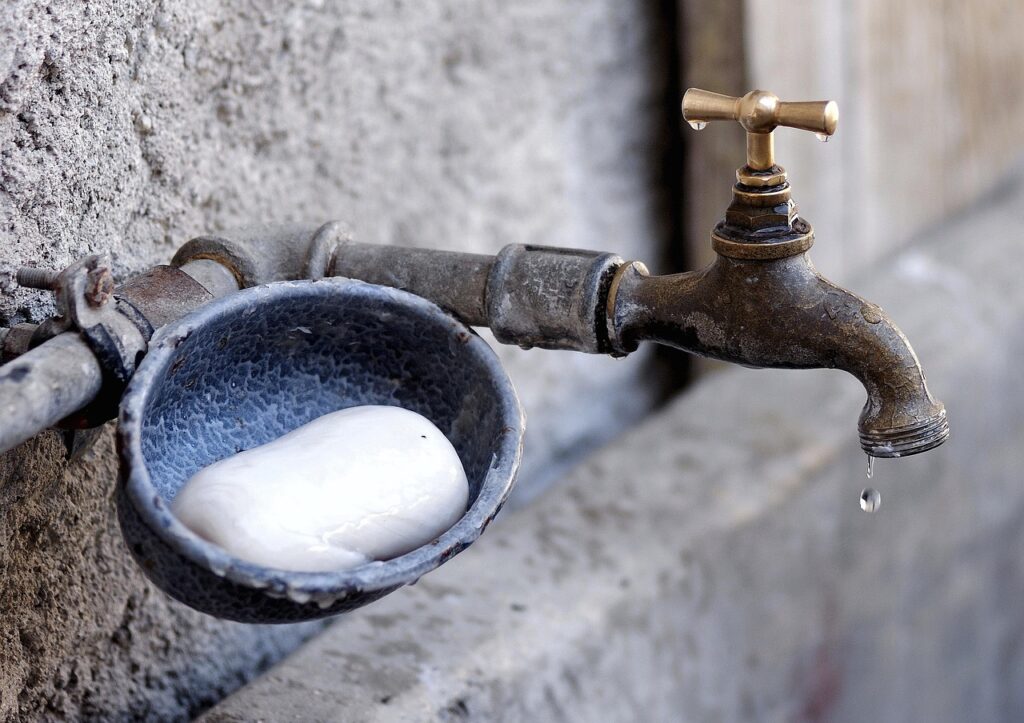
A borehole collapse happens when the walls of the borehole cave in. Soil, sand or rock falls into the hole and blocks the flow of water.
Sometimes the whole borehole fills up. More often, only one section gives way and the water supply slowly gets worse.
How a Borehole Stays Open
A well built borehole has layers of protection. Each one has a job. The diagram below shows where collapse usually starts.
- Casing lines the hole and holds up loose ground.
- Gravel pack surrounds the screen and keeps fine sand out.
- Screen lets water in but keeps the walls in place.
- Sanitary seal blocks dirty surface water from running down the outside of the casing.
The Rural Water Supply Network code of practice for boreholes recommends a grout seal at least 5 metres below ground. It also notes that boreholes signed off as successful can go dry quickly because of poor construction.
Why Do Boreholes Collapse?
1. Loose or Unstable Ground
Sand, gravel and soft clay do not hold their shape well. If these layers are not fully cased, they can cave in over time.
2. Poor Casing
Casing that is too thin, badly joined or too short leaves weak spots. Learn more in our guide on what casing is in borehole drilling.
3. Corroded Steel Casing
Steel casing can rust, especially where groundwater is salty. The British Geological Survey reports salt water intrusion in aquifers on Mombasa Island, which makes this a real risk at the coast.
The RWSN code prefers plastic (uPVC) casing for boreholes up to about 100 to 120 metres deep. See our PVC vs steel casing guide to compare the two.
4. Over Pumping
Pumping too hard pulls fine sand towards the borehole and can lower water levels quickly. The US Geological Survey explains how heavy pumping causes groundwater levels to drop.
5. A Missing or Poor Gravel Pack
Without a proper gravel pack, sand keeps flowing in and the walls around the screen weaken. Read why gravel matters in borehole drilling.
Warning Signs of a Collapsing Borehole
| Warning sign | What it may mean | What to do |
|---|---|---|
| Water flow drops suddenly | Part of the borehole is blocked | Stop pumping and call an expert |
| Sand, mud or stones in the water | Walls or gravel pack are failing | Switch off the pump to protect it |
| Pump gets stuck when lowered or lifted | Debris or a bent casing in the hole | Do not force it; get a camera inspection |
| Grinding or scraping sounds | Sand passing through the pump | Turn off the pump and book a check |
| Borehole runs dry | Major collapse or falling water levels | Get a full assessment before redrilling |
What to Do Straight Away
- Stop pumping. This takes strain off the borehole and protects your pump.
- Do not pull the pump with force. A stuck pump can damage the casing further.
- Get an inspection. A downhole camera shows exactly where the problem is.
- Call a professional. A drilling team can tell you if repair is possible.
How a Collapsed Borehole Is Repaired

| Repair method | When it is used |
|---|---|
| Cleaning and airlifting | Loose sand and debris have settled in the hole |
| Reaming and recasing | The casing is damaged or the walls have caved in |
| Grouting | A section of the borehole is unstable and needs sealing |
| Redevelopment (surging and jetting) | Flow is weak because of fine sediment |
| Drilling a new borehole | The old one cannot be stabilised or yields too little |
Simple cleaning can take a day or two. Recasing or major rehabilitation can take longer, depending on depth and damage.
Example: Two Boreholes, Two Outcomes
Imagine two boreholes drilled in the same area with loose sandy layers near the top.
The first one was cased only partly and had no proper gravel pack. Within a few years, sand started coming through and the walls gave way.
The second one was fully cased through the loose layers, with a gravel pack and a proper seal. It kept delivering clean water year after year.
The difference was not luck. It was how the borehole was built.
How to Prevent a Borehole Collapse
- Start with a survey. A hydrogeological survey shows loose layers before drilling starts.
- Case through every loose layer. Do not cut corners on casing length.
- Use a proper gravel pack and seal. These protect the walls and the water.
- Do not over pump. Use a pump sized for your borehole yield.
- Service your borehole. Regular checks catch problems early.
The US Centers for Disease Control and Prevention advises a well checkup every year. In Kenya, boreholes are regulated by the Water Resources Authority (WRA), so always use a registered driller.
Frequently Asked Questions
Can a collapsed borehole be fixed?
Often, yes. Cleaning, recasing or grouting can restore many boreholes. A full collapse in very unstable ground may need a new borehole.
How long should a borehole last?
A well built borehole can serve you for many years. Read how long a water borehole lasts for the full answer.
Is it cheaper to repair or redrill?
Repair is usually cheaper if the casing can be saved. If the borehole is badly damaged or yields too little, a new borehole may be the better investment.
Get Your Borehole Back Working
Bonvic Drilling inspects, repairs and rehabilitates boreholes across Kenya. Send us your location and a description of the problem on WhatsApp.
📞 Call 0727 666 444 or 0797 000 555
📧 hello@bonvicdrilling.com
Bonvic Drilling expertly repaired my collapsed borehole, restoring functionality through efficient and professional techniques….Bonvic 👌👌👌
Bonvic Drilling expertly repaired your collapsed borehole, restoring functionality through efficient and professional techniques.
Pingback: How Deep Can a Hand Pump Work in a Borehole?