Most borehole owners test their water once, at commissioning, and then never again. Afterwards the report goes into a drawer while the pump runs for years.
However, that single test only told you what was in your water on one day, at one pumping rate, in one season. Therefore it cannot tell you what is in your water today.
This guide explains how often to test borehole water in Kenya, what a credible analysis must cover, and why the water reaching your tank changes over time even when nothing visible changes at the tap.
Why You Cannot Judge Borehole Water by Looking at It

Your eyes detect turbidity. A bad smell tells you about sulphur. Salt is obvious on the tongue.
In other words, your senses cover three things, while a standard chemical analysis measures more than twenty.
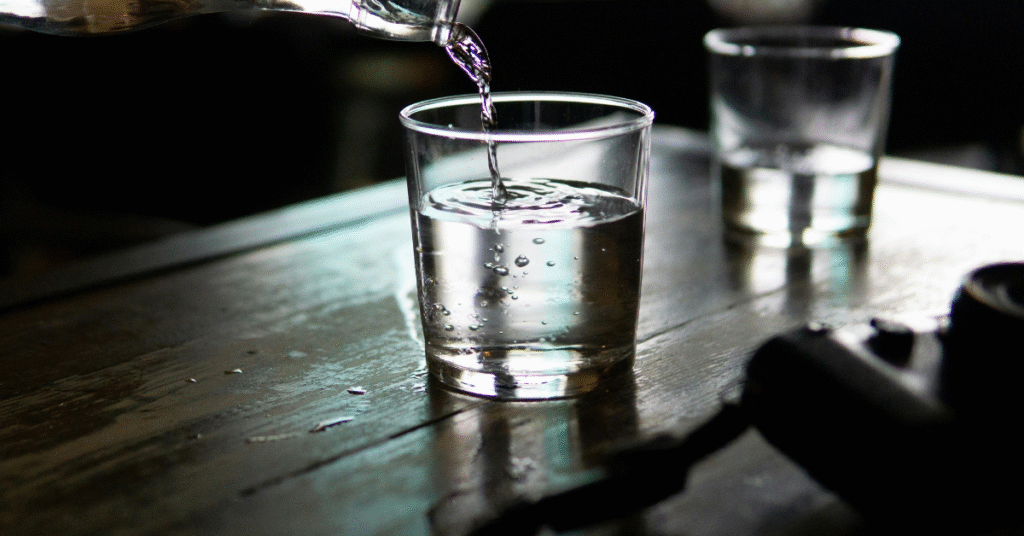
Everything that genuinely threatens health, including fluoride, nitrates, arsenic and faecal bacteria, is colourless, odourless and tasteless at the concentrations that cause harm. As a result, water can look perfectly clear and still sit four times over the safe limit for fluoride.
In short, you cannot inspect water quality. You can only measure it.
of boreholes surveyed in Nakuru County exceeded the WHO fluoride guideline of 1.5 mg/l
groundwater samples in urban Kisumu tested positive for faecal indicator bacteria
of wells surveyed in Langas sat within 30 metres of a pit latrine
Sources: Environmental Earth Sciences (2018); Environmental Monitoring and Assessment; Journal of Water and Health
What Kenyan Groundwater Actually Contains
Contamination is regional. Because of this, what threatens a borehole in Naivasha is not what threatens one in Kilifi.
Rift Valley: Fluoride
Volcanic geology across the Rift releases fluoride into groundwater. In fact, a study of boreholes in Nakuru County found that more than 87 percent exceeded the World Health Organization limit of 1.5 milligrams per litre, with concentrations reaching as high as 72 mg/l (Environmental Earth Sciences).
Similarly, a county commissioned study of fifteen boreholes in Naivasha found fluoride between 2.15 and 6.5 mg/l, which is up to four times the safe limit (Kenya News Agency).
The consequence is dental fluorosis, meaning brown and pitted teeth that stain permanently in children. Moreover, at sustained high exposure it progresses to skeletal fluorosis, causing bone and joint damage that does not reverse.
The Coast: Saltwater Intrusion
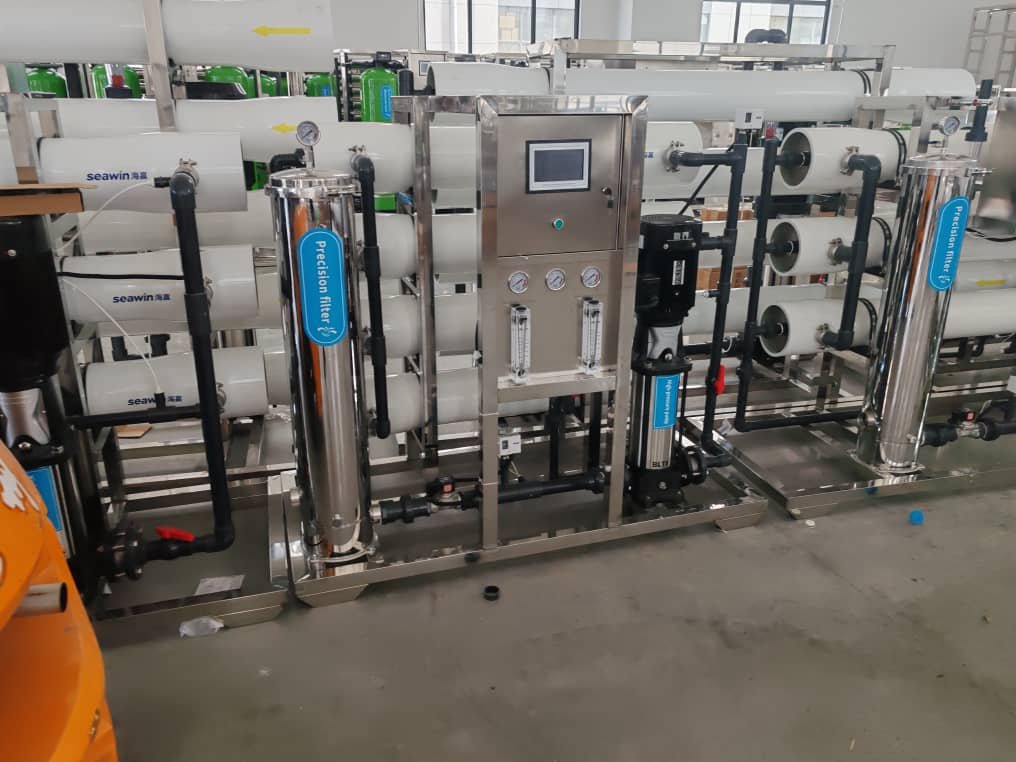
Along the coastal strip, over abstraction draws seawater into freshwater aquifers. Consequently chloride levels climb, the water turns brackish, and it begins corroding pumps, rising mains and storage tanks.
Salinity is progressive rather than sudden. For that reason a borehole that tested fine three years ago can be deteriorating steadily today, and the damage to your equipment usually arrives before the taste does.
Dense Urban Areas: What Leaks In From Above
Where pit latrines, septic tanks and shallow aquifers share the same ground, surface contamination reaches groundwater.
For example, researchers in urban Kisumu tested 263 groundwater samples across 61 sources. Of those, 236 came back positive for thermotolerant coliforms, which are faecal indicator bacteria (Environmental Monitoring and Assessment).
For a fuller regional breakdown, see our guide to the hidden dangers in your borehole water.
Why One Borehole Water Test Is Never Enough
A water analysis is a photograph rather than a guarantee. In practice, four things change after the technician drives away.
1. The seasons. Recharge during the long rains dilutes dissolved minerals, while drawdown in the dry season concentrates them. Consequently the same borehole can return noticeably different fluoride and salinity figures in March and October.
2. The pumping itself. Months of abstraction change which fractures and weathered zones actually feed your borehole. Therefore the water arriving today may not originate where it originated at commissioning.
3. Your neighbours. A new pit latrine, a new dumpsite or a new farm applying fertiliser upgradient will not ask your permission. Naturally, none of it shows up in a report written five years ago.
4. Drilling residue. Because your very first sample is often distorted by drilling fluid and disturbed formation, it works as an early check but not as a true baseline.
How Often to Test Borehole Water
The retesting schedule by use case
01First retest after commissioning
Once steady pumping has cleared drilling fluid and disturbed formation. This becomes your real baseline.
3 to 6 months02Domestic borehole
A full chemical analysis once a year, while bacteriological testing runs more frequently.
Annually03Commercial and irrigation
Abstraction is higher, and sensitive crops react quickly to salinity and sodium shifts.
Every 6 months04Public supply, food processing, high risk sites
This also applies near industry, dumpsites, dense sanitation or intensive farming.
QuarterlyAbove all, bacteriological testing runs more often than chemical. Bacteria arrive within days, whereas minerals shift over months. Where your WRA permit sets a frequency, that requirement takes precedence.
Your WRA permit conditions may specify a frequency for your particular abstraction. Where they do, that requirement takes precedence over any general rule.
What Your Analysis Must Cover
Screenshot this and take it to the laboratory. Anything missing means you are not getting a full picture.
Anything less than this is not an analysis. It is a receipt. A report with four or five parameters and no bacteriological count cannot tell you whether your water is safe, and it cannot size a treatment system.
Are you already holding a report and unsure what the figures mean?
Our free Water Quality Test Results Interpreter explains your numbers against Kenyan and WHO standards.
A Realistic Example
A commercial farm outside Naivasha tested at commissioning and received acceptable results. Three years later, however, staff reported staining on teeth while the drip lines began clogging faster than expected.
A fresh analysis then showed that fluoride had climbed well above the WHO limit. In addition, sodium levels had risen enough to affect soil structure over time.
Nothing had gone wrong with the borehole itself. Rather, the dry seasons had been longer, drawdown had deepened, and the borehole was drawing from a different part of the aquifer than it had at commissioning.
Ultimately the fix was a defluoridation unit sized correctly to the current chemistry. Had they retested annually, they would have caught the trend two years earlier and at lower cost.
The Cheapest Part of Your Borehole
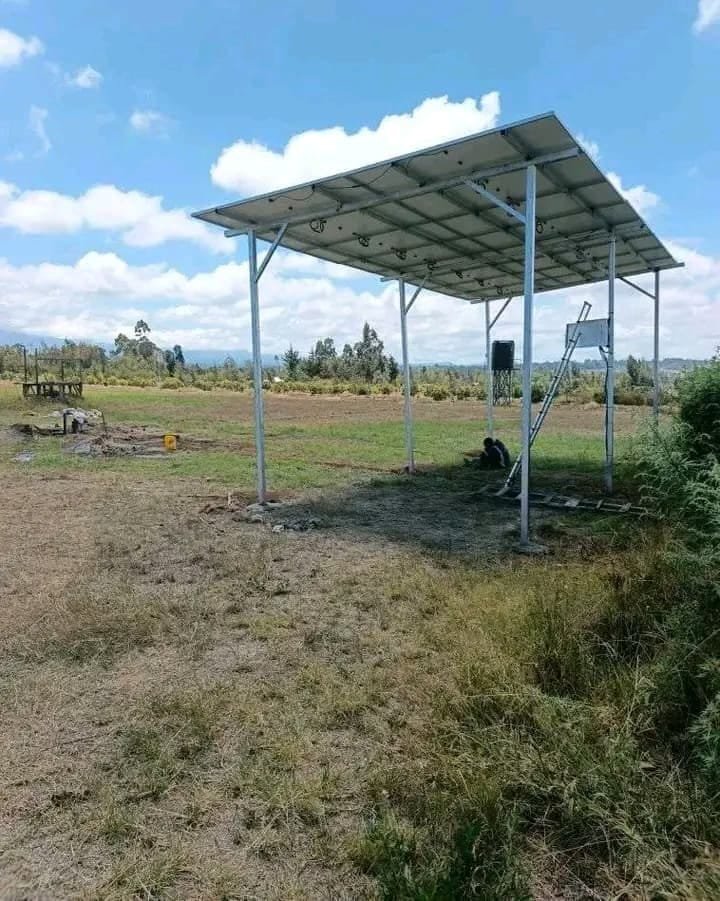
You have already invested serious money in surveying, drilling, casing and equipping. By comparison, a water analysis costs a small fraction of that total.
It is also the only part of the project that confirms whether the water suits the purpose you drilled it for. Furthermore, it is the input that determines whether your treatment system is sized correctly or bought on a guess.
Before you commit to treatment equipment, run the numbers with our free borehole calculator tools. If you are still at the planning stage, our complete guide to drilling a borehole in Kenya covers the process from start to finish, while our guide on how to know if your land has water explains what happens before the rig arrives.
Frequently Asked Questions
How often should I test borehole water in Kenya?
Test annually for a domestic borehole, every six months for commercial or irrigation use, and quarterly for public supply, food processing, or boreholes near industry and intensive farming. Additionally, retest 3 to 6 months after commissioning so that you establish a true baseline.
My water looks and tastes fine, so do I still need a borehole water test?
Yes. Fluoride, nitrates, arsenic and faecal bacteria are all colourless, odourless and tasteless at harmful concentrations. Therefore clear water is never evidence of safe water.
How much does it cost to test borehole water in Kenya?
Costs vary according to the number of parameters tested and the laboratory used. Even so, a full chemical and bacteriological analysis remains a small fraction of what you have already spent on drilling and equipping. Contact us for current pricing.
Can water quality change in a borehole that has been fine for years?
Yes. Seasonal recharge and drawdown, shifts in which aquifer zones feed the borehole after years of pumping, and new surface activity nearby can all change water chemistry while nothing visible changes at the tap.
How long does a borehole water test take?
Sample collection takes under an hour on site. Afterwards, laboratory results typically follow within a few working days, depending on the parameters requested.
Should I test bacteria and chemistry separately?
They are separate analyses and they should follow different schedules. Because bacteriological contamination can appear within days, it warrants more frequent testing than the chemical parameters, which shift gradually.
Bonvic DrillingWhen Did You Last Test Your Borehole Water?
Get a full chemical and bacteriological analysis from a WRA licensed team, together with a clear explanation of what every figure on the report means for your household, your crops or your equipment.
Or email hello@bonvicdrilling.com
Consider It Well Done.
Follow Bonvic Drilling
Website: www.bonvicdrilling.com
Facebook: www.facebook.com/bonvicdrilling
YouTube: www.youtube.com/@bonvicdrilling
TikTok: @bonvicdrilling