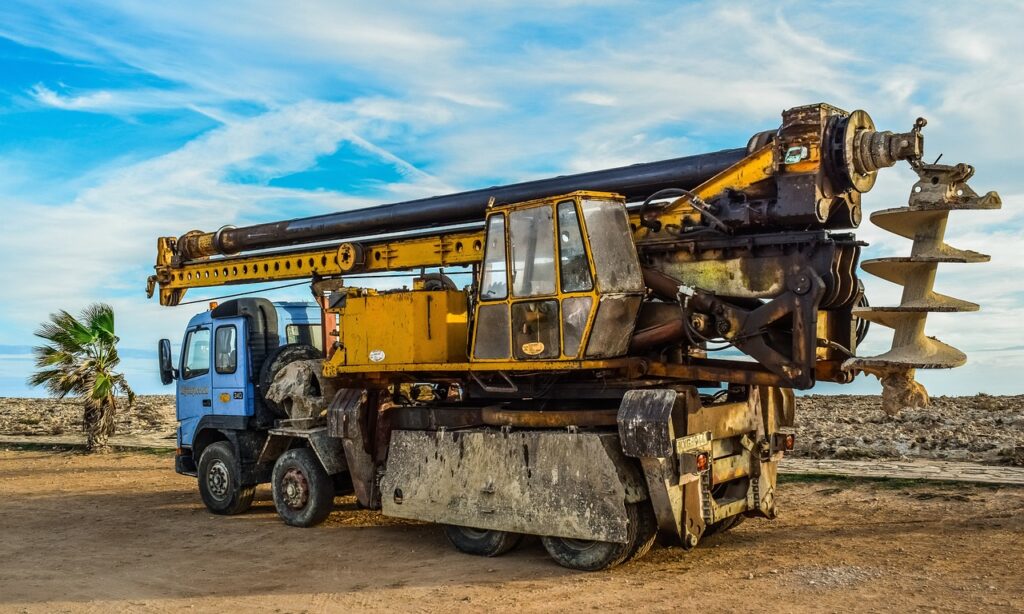
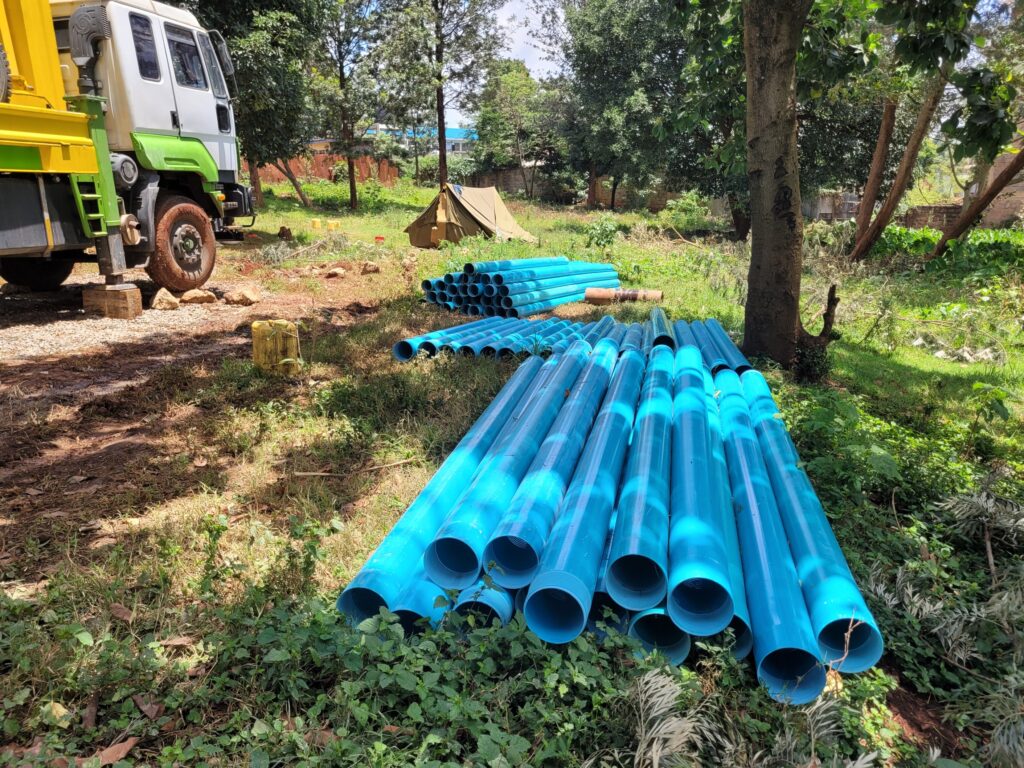
Three below-average rainy seasons in a row have pushed several ASAL counties into NDMA’s “Alarm” drought phase heading into 2026. Mandera, Kwale, Kilifi and Wajir are among them.
A dozen more counties sit in “Alert.” If you own a borehole, or you’re planning one, you’ve likely asked the obvious question: does borehole yield during drought actually drop?
The short answer is yes. But not in the way most people picture it. Your tap doesn’t dry up because the sky stopped delivering rain to your specific plot last month.
It dries up, or doesn’t, based on a slower, more predictable process happening underground. Understanding that process is the difference between panicking every dry season and knowing exactly how your water source will behave.
We covered the timing question of drilling during drought in an earlier post. This one goes deeper into the mechanics behind borehole yield during drought, since that’s the part most articles skip.
What Determines Borehole Yield During Drought
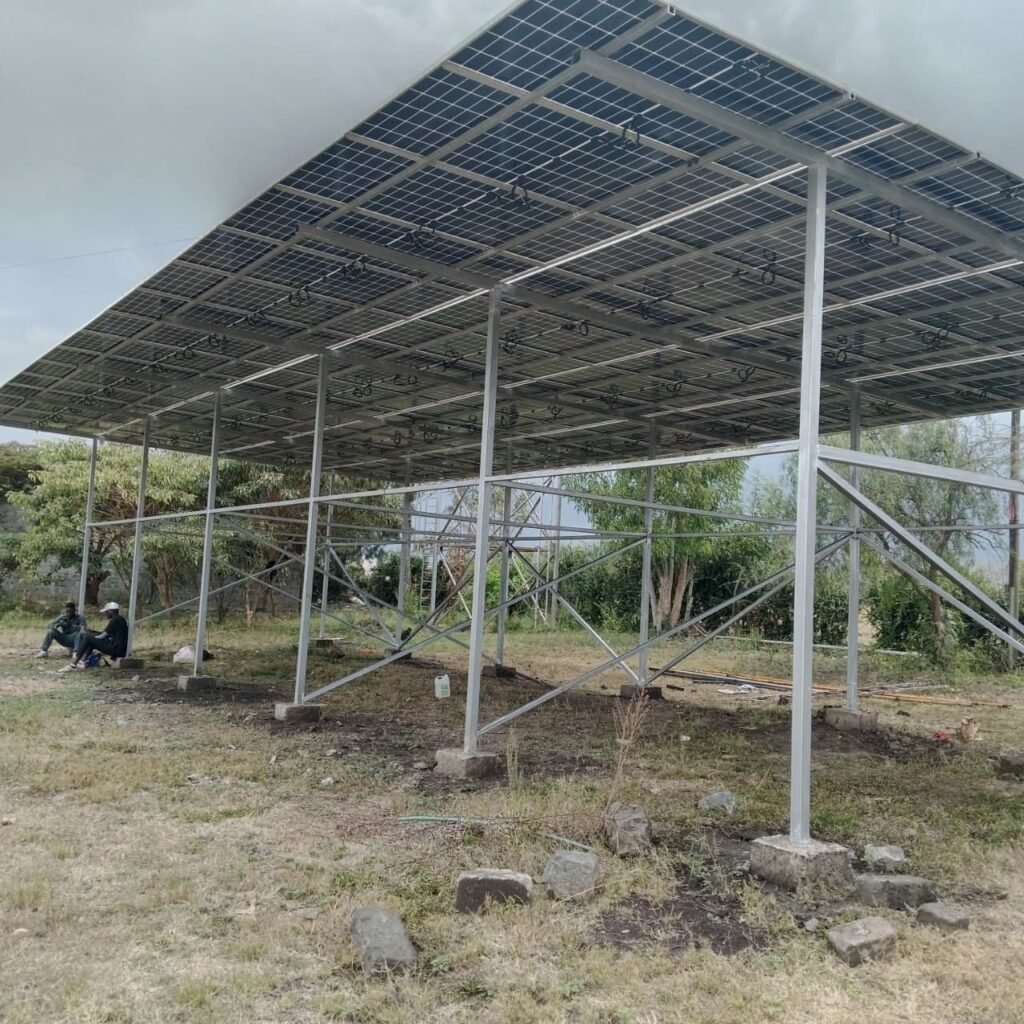
Borehole yield is how much water your borehole can sustainably produce per hour, usually measured in cubic metres per hour. It isn’t a fixed number stamped on your borehole forever. It reflects three things:
- How much water is stored in the aquifer your borehole taps
- How easily that water moves through the rock toward your casing (hydrogeologists call this transmissivity)
- How fast the aquifer refills through recharge, compared with how fast it’s drawn down by pumping
Drought affects the third factor directly. It barely touches the first two. That’s exactly why two boreholes ten kilometres apart can respond completely differently to the same dry season.
Why Some Boreholes Drop Fast, and Others Barely Move
Not every borehole reacts to drought the same way. The difference comes down to depth and aquifer type.
Shallow, unconfined aquifers respond almost immediately
A borehole tapping a shallow water table sits directly connected to the surface. Rain falls, the water table rises. Rain stops, and evaporation plus abstraction pull it back down with nothing to refill it. Hydrogeologists call this a “flashy” response.
The water level tracks rainfall closely, with only a short lag. This is the category most likely to show a real, noticeable yield drop during a prolonged dry spell.
Deep, confined aquifers respond slowly
A confined aquifer sits beneath a layer of impermeable rock or clay. It’s usually recharged from rainfall falling over a much wider catchment, sometimes tens of kilometres away. That water can travel underground for months or years before reaching your borehole’s depth.
Research on groundwater drought consistently shows that deeper, well-connected aquifer systems lag rainfall shortages by months to years, not weeks. A single bad rainy season, or even two, often isn’t enough to meaningfully dent a well-sited deep borehole’s yield.
This is exactly why the Rift Valley Series and similar regional aquifer systems that many of our boreholes tap into hold up far better than a shallow scoop hole.
Over-abstraction makes any aquifer worse
A second factor compounds drought, and it has nothing to do with rainfall: how many boreholes draw from the same aquifer, and how hard. A shared aquifer serving dozens of boreholes at full capacity can usually absorb that in a good year.
Add a drought year, with recharge already reduced, and heavy abstraction on top of low rainfall becomes the real cause of dramatic water table declines, not the drought alone.
This is why abstraction permits cap your pumping at a percentage of tested yield, for a set number of hours a day. That condition isn’t bureaucracy. It’s what keeps your borehole, and your neighbour’s, viable long term.
Can You Predict How Your Borehole Will Behave?
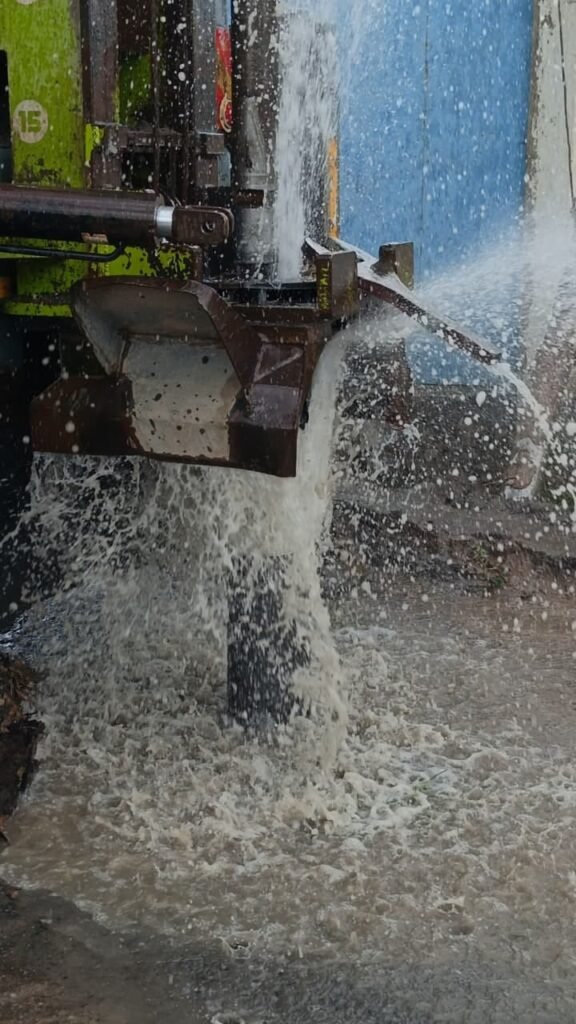
Yes. And this is the part that matters most before you drill, not after.
A proper hydrogeological survey does more than tell you where to drill. It identifies which aquifer type sits beneath your site. It shows how deep you need to go to reach a stable, well-connected source rather than a shallow perched pocket. It also flags which construction measures, like casing depth and sealing off shallow zones, will protect your yield from short-term rainfall swings.
Existing borehole data matters here too. Reviewing neighbouring boreholes’ rest levels, water strike depths, and tested yields isn’t just about confirming “is there water here.” It builds a picture of how that aquifer has behaved over time, including through past dry spells.
Signs Your Borehole’s Yield May Be Dropping
If you already own a borehole, a few signs are worth monitoring:
- Pumping time to fill the same tank is gradually increasing
- The pump cycles on and off more often, a sign the water level near it is dropping
- Water starts running murky or sandy after months of running clear
- Your static water level is measurably deeper than the same time last year
None of these mean your borehole has failed. Often they mean the pump setting depth needs adjusting, or a professional yield test is overdue.
Left unaddressed, a pump drawing water faster than a stressed aquifer can supply it will eventually cause bigger problems, including pump burnout from running dry.
How This Shapes the Way We Drill
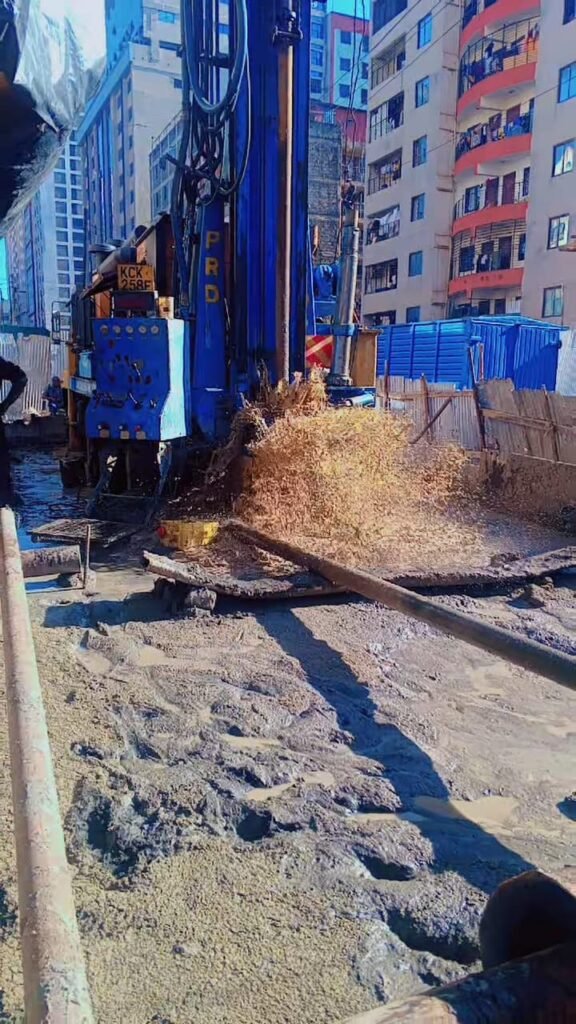
We know which category, shallow and flashy, or deep and stable, any given site falls into before drilling starts. We design around it from day one.
Depth and construction choices
- We drill to the depth the survey recommends, not the cheapest depth that hits any water
- We seal off shallow, drought-sensitive water strikes with plain casing, so they can’t destabilise the main producing zone
- We set the pump at a depth that accounts for seasonal drawdown, not just the water level on drilling day
Testing before handover
We test yield properly, typically a 24-hour pump test with recovery, so you know your borehole’s real capacity rather than an optimistic guess.
If you’re weighing how this affects your budget, our breakdown of what actually drives borehole drilling costs in Kenya explains where depth and construction standards fit into your quote. If you run a farm or commercial operation where a yield drop carries real financial consequences, it’s also worth reading why relying on rainfall alone is a gamble for irrigation planning.
Frequently Asked Questions About Borehole Yield During Drought
Does borehole yield during drought really drop?
Yes, but the amount depends on the aquifer. Shallow boreholes tapping the water table can show a real, fast decline in prolonged dry spells. Deep boreholes tapping confined regional aquifers respond far more slowly. They often absorb one or two bad seasons with little noticeable change, provided they weren’t over-abstracted to begin with.
How do I know if my borehole is shallow or deep in the way that matters?
Depth alone isn’t the full picture. What matters is whether your borehole taps an unconfined water table or a confined, regionally recharged aquifer. Your original hydrogeological survey report or drilling completion record should specify this.
Can I fix a borehole that’s showing reduced yield?
Sometimes. Lowering the pump setting, redevelopment through air or water jetting, or in some cases deepening the existing hole can restore yield. A yield test will tell you which option makes sense before you spend money guessing.
Does a hydrogeological survey done during a drought give less reliable results?
No. A survey reads underground geology and aquifer structure using geophysical methods, not surface soil moisture. It’s just as reliable in the dry season as any other time of year.
Will drilling deeper always protect me from drought?
Not automatically. Depth only helps if the deeper zone is a genuinely better-connected, higher-yielding aquifer. That’s exactly what a proper survey establishes before you commit to a drilling depth.
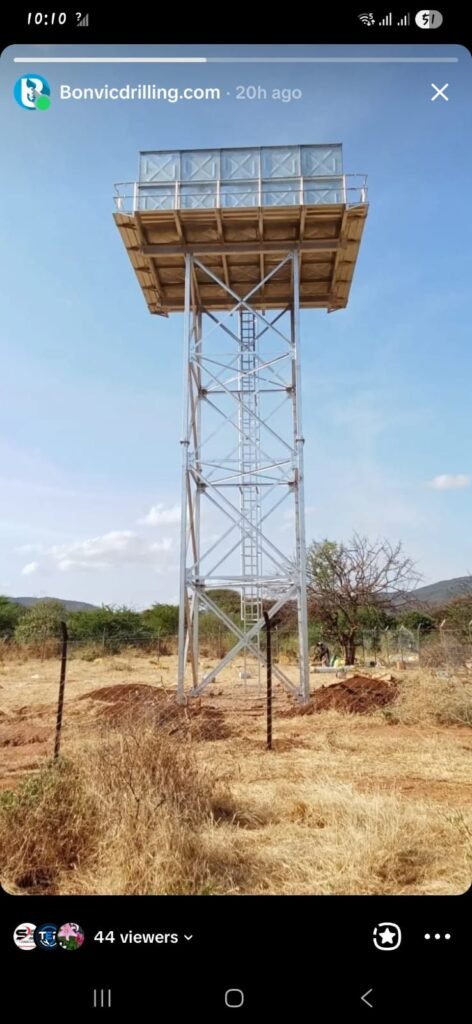
Worried about your borehole yield during drought, or planning a new one built to survive the dry seasons, not just the wet ones?
📞 Call +254 720 545 191 💬 WhatsApp Bonvic Drilling
Related reading