Are you experiencing issues with your borehole?
You’re not alone.
Many boreholes in Kenya develop at least one significant problem within their first five years of operation, usually because of poor siting, weak casing or no maintenance.
At Bonvic Drilling, we’ve helped thousands of Kenyan property owners resolve their borehole challenges since 2005.
Need immediate borehole assistance? Call us at 0727666444 or WhatsApp at 0727666444 for 24/7 support!
Understanding Drilling and Construction Issues

Proper drilling and construction are the foundations of a reliable borehole. Unfortunately, this is where many problems begin. Shortcuts during drilling and installation are behind many of the failures we are called out to fix.
Common drilling and construction problems include:
Borehole Collapse During Drilling
This typically occurs in unstable formations where the borehole walls cave in before casing can be installed.
In areas with loose soil formations, like Coastal and North Eastern, we recommend using mud rotary drilling techniques to maintain borehole stability.
Improper Casing Installation
When casings aren’t properly joined or are made from substandard materials, they can crack or separate over time.
At Bonvic Drilling, we use only high-grade PVC and steel casings that meet Kenya Bureau of Standards requirements.
Inadequate Gravel Packing
Proper gravel packing prevents fine sand from entering your borehole.
In regions with sandy aquifers like coastal Kenya, we use specially graded gravel that matches the formation characteristics.
Poor Cement Grouting
Insufficient grouting leads to surface water contamination.
Our technicians ensure a complete seal between the borehole and surrounding soil, particularly critical in high-rainfall areas like Central Kenya.
PRO TIP: Always request to see your contractor’s drilling logs and well completion reports. These documents should detail the geological formations encountered and materials used during construction.
Also, read >>> How to Choose the Best Location for a Borehole on Your Property
Water Quality Challenges in Kenyan Boreholes

Water quality problems are common in Kenyan boreholes, and many need some form of treatment. Understanding these problems is the first step toward resolution.
Iron and Manganese Contamination
Common in Kenya’s central and western regions, these minerals give water a metallic taste and reddish-brown colour. Our field tests show levels exceeding 2.0 mg/L in many Nyanza and Western Kenya boreholes.
Bacterial Contamination
E. coli and coliform bacteria are among the most common problems in private boreholes. This contamination often results from nearby pit latrines or poor wellhead protection.
Turbidity and Sedimentation
This issue is most common during the rainy season, especially in Kenya’s ASAL (Arid and Semi-Arid Lands) regions. The right filtration clears most of the cloudiness.
Salinity Issues
Coastal regions and parts of Northern Kenya frequently encounter salinity problems. Recent groundwater mapping by the WRA shows TDS (Total Dissolved Solids) levels exceeding 2000 ppm in some coastal boreholes.
Call Bonvic Drilling at 0727666444 for comprehensive water quality testing and treatment solutions!
Mechanical and Operational Problems

Even well-constructed boreholes can experience mechanical failures. Mechanical problems are one of the most common reasons owners call us.
Pump Failures and Malfunctions
Submersible pump failures are the most common mechanical issue. Causes include:
- Power supply fluctuations (common in rural Kenya)
- Sand abrasion (particularly in the Eastern regions)
- Running pumps dry during drought seasons
Motor Burnout Issues
Electrical faults are a frequent cause of pump failure. Our technicians are equipped with specialised testing equipment to diagnose electrical problems without removing the entire pump system.
Power Supply Problems
With inconsistent power in many rural areas, generator and solar backup systems are essential. A solar pumping system can remove the monthly power bill altogether.
Control System Failures
Modern borehole systems rely on electronic controls that can malfunction due to power surges or environmental factors. Our control panels include surge protection designed for Kenyan power conditions.
PRO TIP: Install a simple hour meter on your pump system to track usage patterns. This inexpensive addition can help predict maintenance needs before catastrophic failures occur.
Yield and Performance Issues
Some boreholes give less water as the years go by. The causes below are the ones we see most often.
Declining Water Yield
If your borehole produces less water than when it was first drilled, several factors may be responsible:
- Aquifer depletion (common in over-drilled areas like Karen and Runda)
- Screen clogging, especially in high mineral areas
- Pump wear, which slowly reduces efficiency
Seasonal Fluctuations
Data from our monitoring systems shows water table fluctuations of 5-20 meters between dry and wet seasons in Eastern Kenya. Proper borehole depth assessment is critical to ensure year-round water availability.
Over-pumping Consequences
Extracting water faster than the aquifer can recharge leads to permanent damage. Pump controllers that limit the pumping rate to what the aquifer can supply help protect the borehole for the long term.
WhatsApp us at 0727666444 to schedule a yield test and assess your borehole’s performance!
Environmental and External Factors Affecting Kenyan Boreholes
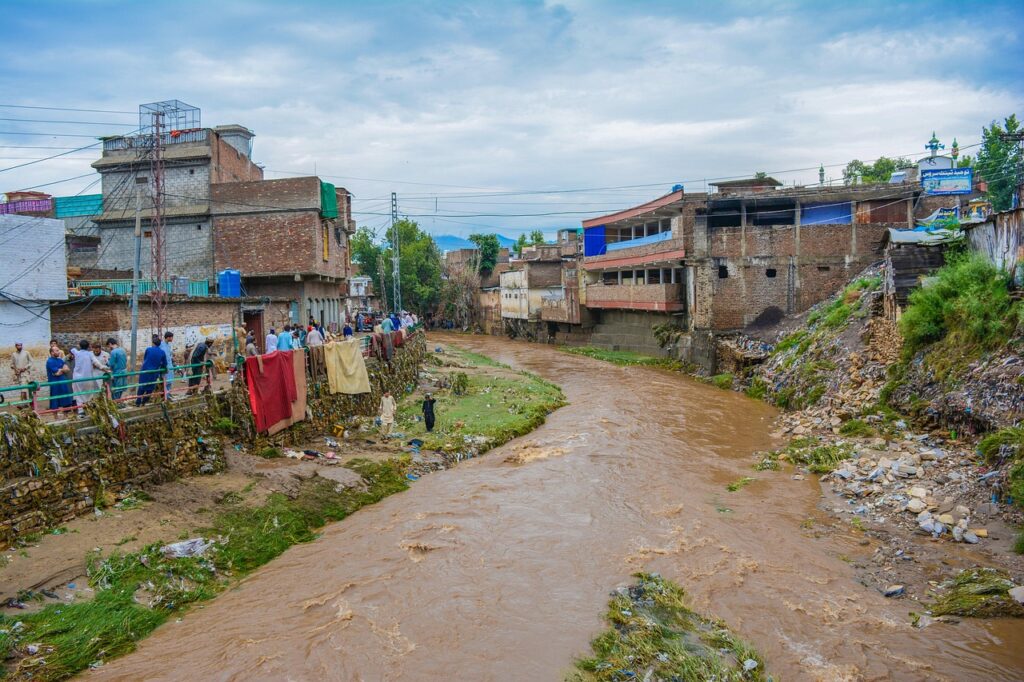
Environmental conditions significantly impact borehole performance. Climate change has altered traditional rainfall patterns across Kenya, with longer dry spells and heavier storms.
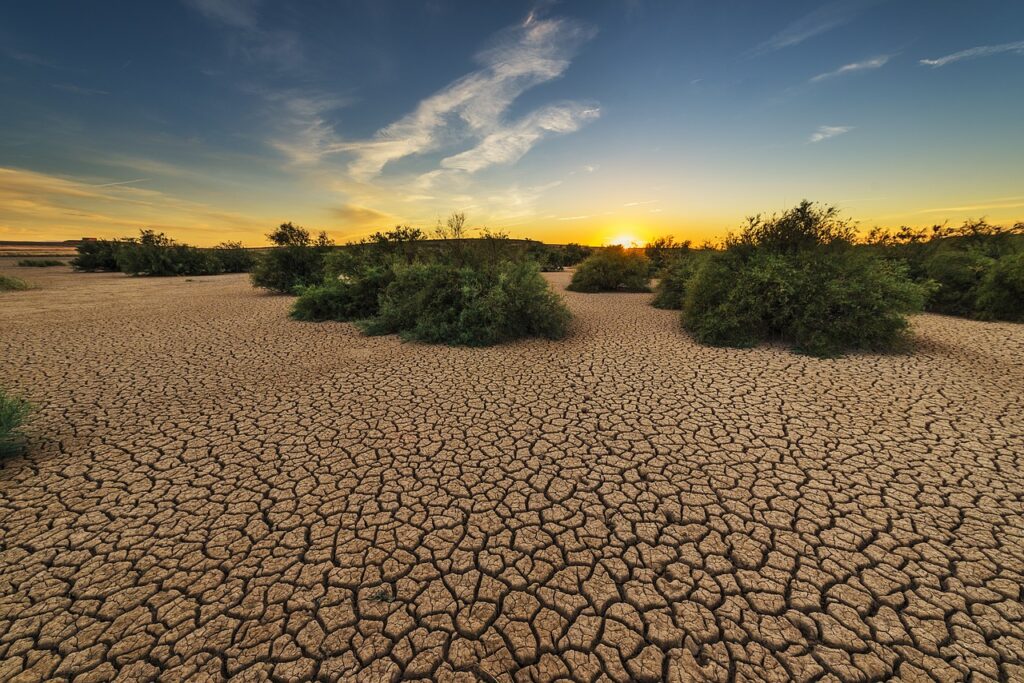
Drought Conditions
Extended dry periods, increasingly common in Kenya, can lower water tables beyond pump reach. Our deep-sensing probes can monitor water levels in real time, preventing dry running.
Flooding Effects
During heavy rains, surface contamination can enter boreholes through improperly sealed casings. In flood-prone areas like parts of Nairobi and Western Kenya, we recommend elevated wellhead constructions that sit at least 60cm above maximum flood levels.
Land Development Impact
Construction activities within 100 meters of your borehole can disturb aquifer dynamics. Fast growing areas with many new boreholes close together can also see yields fall.
PRO TIP: Maintain a “borehole protection zone” of at least 30 meters around your wellhead where no construction, waste disposal, or chemical usage occurs.
Also, read >>> Why a Reliable Borehole is Key to Agricultural Success
Essential Preventive Maintenance for Kenyan Borehole Owners
Regular maintenance is the cheapest way to make a borehole last. Problems caught at an inspection cost far less than a breakdown.
Recommended Maintenance Schedule
- Monthly: Visual inspection of the wellhead and surroundings
- Quarterly: Electrical system check and water quality testing
- Annually: Comprehensive system evaluation, including camera inspection
- Every 5 years: Complete rehabilitation assessment
Water Quality Testing Protocols
Water quality can change seasonally. Bonvic Drilling offers affordable quarterly testing packages that track key parameters, including:
- Bacterial content
- Mineral levels
- pH balance
- Turbidity
Professional vs. DIY Maintenance
While owners can perform some checks, professional inspection is essential. Ask us about a maintenance plan. Regular servicing costs far less than an emergency repair.
Schedule your professional borehole maintenance today! Call 0727666444 for our special first-time customer discount.
Diagnosing Borehole Problems Like a Pro

Recognising early warning signs can prevent catastrophic failures. Here’s what to watch for:
Warning Signs That Shouldn’t Be Ignored
- Decreased water pressure (potential pump issues)
- Changed water colour, taste, or smell (quality concerns)
- Unusual pump noises (mechanical problems)
- Air in water lines (dropping water levels or leaks)
- Increased electricity consumption (pump inefficiency)
When to Call Professionals
Don’t wait until you have no water! Contact Bonvic Drilling immediately if:
- Water appears cloudy or discoloured
- Pump cycles on and off rapidly
- Electric bills suddenly increase
- Water pressure decreases by more than 20%
Also, read >>> Borehole Drilling Priorities: Should You Focus on Cost, Speed, or Long-Term Efficiency?
Conclusion: Ensuring Your Borehole’s Longevity
With proper installation and maintenance, your borehole can provide clean, reliable water for 20+ years. The initial investment in quality drilling and components typically pays for itself within 3-5 years through reduced repair costs and consistent water supply.
At Bonvic Drilling, we’re committed to helping Kenyan property owners maximise their water resources. Our team of certified technicians serves all 47 counties with prompt, professional service backed by our industry-leading warranty.
Ready to resolve your borehole issues or plan a new installation? Contact us today!
📞 Call: 0727666444
📱 WhatsApp: 0727666444
🌐 Visit: www.bonvicdrilling.com
Did you find this article helpful? Please share it with other borehole owners on WhatsApp or Facebook to help them avoid costly problems!
Bonvic Drilling Ltd. is a licensed water service provider that provides professional borehole drilling, rehabilitation, and maintenance services in all counties of Kenya.