Where you drill matters as much as how you drill. The wrong spot can mean low water, dirty water or a dry hole.
The right spot gives you more water, safer water and lower running costs for many years.
This guide walks you through the 8 things to check when choosing the best location for a borehole in Kenya.
1. Start With a Hydrogeological Survey

A survey is the most important step. A hydrogeologist reads the ground to find where water collects underground.
Common tools include Vertical Electrical Sounding, known as VES. It helps to locate aquifers, judge the rock and estimate depth and yield.
At Bonvic Drilling, a full survey costs KES 50,000. Read our full guide to the hydrogeological survey in Kenya.
2. Keep a Safe Distance From Pollution
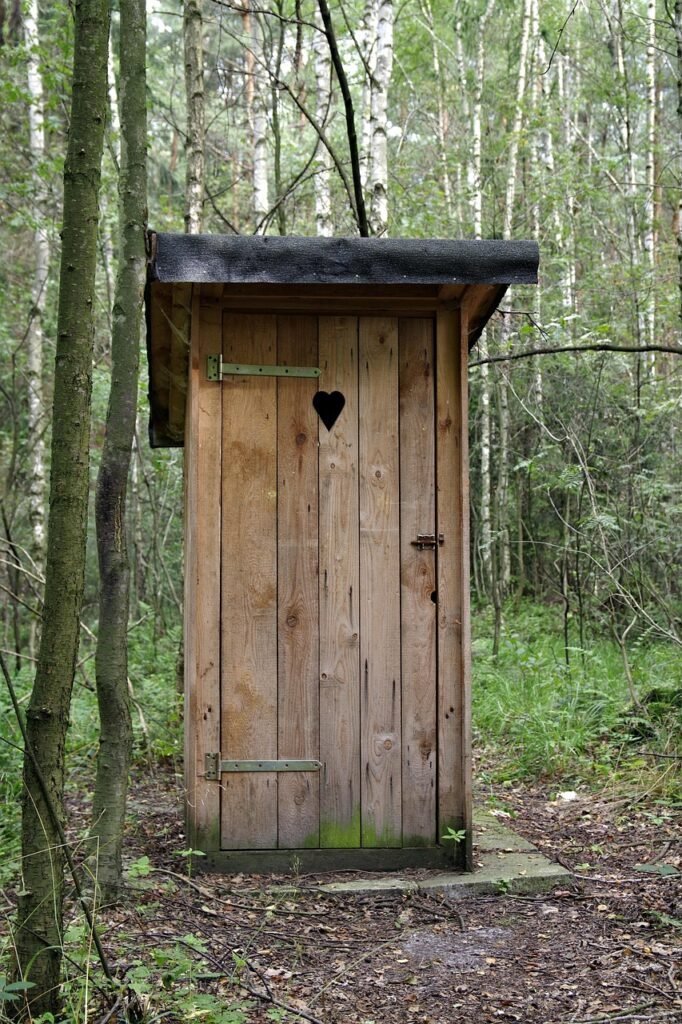
Germs and chemicals can travel through the soil into your borehole. Distance gives the ground time to filter them out.
We recommend keeping your borehole at least 30 to 50 metres from pit latrines, septic tanks, animal pens, rubbish pits and chemical stores.
Rules differ from country to country. A study of national safe distance rules found these minimum distances between latrines and water points:
The US Centers for Disease Control and Prevention gives these minimum distances for private wells. We have converted them to metres:
| Pollution source | Minimum distance |
|---|---|
| Septic tanks | About 15 m (50 ft) |
| Septic leach fields | About 15 m (50 ft) |
| Livestock yards | About 15 m (50 ft) |
| Fuel and petroleum tanks | About 30 m (100 ft) |
| Fertiliser stores | About 30 m (100 ft) |
| Manure heaps | About 76 m (250 ft) |
Pit latrines in Kenya are often deep and unlined. That is why we advise more distance than the CDC minimum for septic tanks.
3. Make Sure the Rig Can Reach the Site
A drilling rig is a large truck. It needs a wide, firm road and a flat, solid area to set up.
- Clear bushes and obstacles before drilling day.
- Avoid soft or steep ground where the rig could sink or tip.
- Leave enough space for the support truck to turn.
Preparing the site early avoids delays and extra costs.
4. Drill Close to Where You Use Water
The closer the borehole is to your tank, house or farm, the less you spend on pipes and pumping.
- Homes: near the house or the storage tank.
- Farms: near the centre of the land you irrigate.
- Livestock: near the water troughs, but still away from manure.
Where possible, place the borehole within 10 to 20 metres of your main tank.
5. Understand the Ground Below
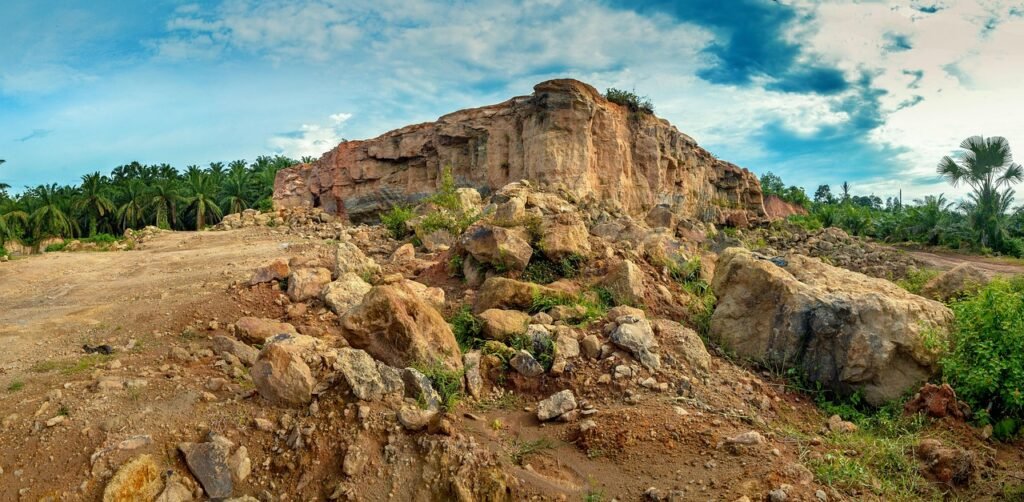
Kenya has very different ground from place to place. The British Geological Survey reports that boreholes in Nairobi volcanic rock are often 250 to 400 metres deep, while some coastal sand aquifers are reached at 40 to 100 metres.
| Ground type | What it means for your borehole |
|---|---|
| Sandy soil | Easy to drill but needs full casing to stop collapse |
| Clay | Can swell and collapse; needs protection |
| Hard rock | Slower and costlier to drill |
| Fractured rock | Often holds good water, but must be found precisely |
See our article on the average water table in Kenya for typical depths by region.
6. Choose Higher, Well Drained Ground
Avoid valleys, swamps and areas that flood. Rain runoff in low areas can carry dirt and germs straight to your borehole.
A raised spot with a concrete slab around the borehole helps water drain away. It also protects your casing and pump.
7. Think About the Future

- Will you build houses, roads or fences near the site later?
- Is the site away from power lines and septic systems?
- Can you fence it or build a pump house around it?
- Is there clear access for future pump servicing?
Also consider neighbours. Boreholes drilled too close together can compete for the same water. Read how far apart boreholes should be in Kenya.
8. Follow the Law
Under the Water Act 2016, you need approval before using groundwater. The Water Resources Authority (WRA) regulates boreholes in Kenya.
- Get a hydrogeological survey report.
- Apply for a WRA drilling permit.
- Apply for a water use permit if you will draw large volumes.
- Check county rules on setbacks and zoning.
Bonvic Drilling helps clients with surveys and permit applications.
Planning for Pumps and Tanks
Plan space for your tank, solar panels and pump house at the same time. Avoid shade if you will use solar pumping. Our guide to solar borehole pump installation in Kenya covers the details.
Example: Choosing Between Two Spots
A family on a half acre plot in Kitengela has two possible spots. Spot A is next to the house but only 12 metres from the pit latrine. Spot B is 35 metres from the latrine and 15 metres from the planned tank.
Spot A saves a little on piping but risks dirty water. Spot B is the safer choice, and the extra pipe costs far less than treating contaminated water for years.
Frequently Asked Questions
Can I choose the spot myself?
You can suggest one, but always confirm it with a survey. A spot that looks good on the surface may have little water below.
Can I check for water before buying land?
Yes. Read how to know if your land has water before you buy.
What if my plot is too small for safe distances?
Talk to us before drilling. We can help you find the safest point and suggest extra protection, such as a deeper seal.
Get Expert Help Choosing Your Borehole Site
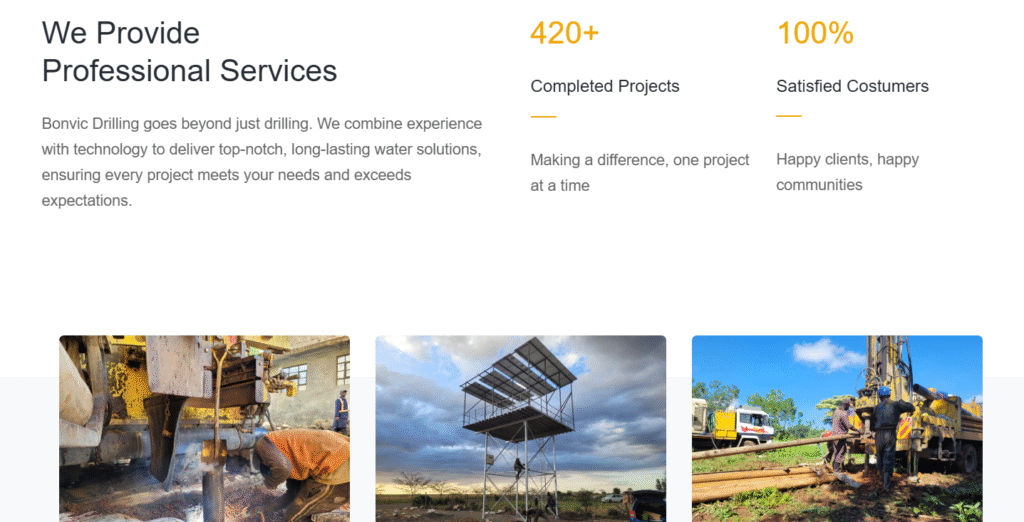
Bonvic Drilling has surveyed and drilled boreholes across Kenya since 2010. Send us your location and we will plan your site visit.
📞 Call 0727 666 444 or 0797 000 555
📧 hello@bonvicdrilling.com