Quick answer: a day school needs at least 5 litres of water per pupil per day, and a boarding school at least 20 litres per boarder, according to the World Health Organization school standard. A school of 600 day pupils therefore needs about 3,000 litres a day before toilets, and more if it has flush toilets or a farm.
A borehole gives a school its own reliable supply and ends the cost of buying water. This guide covers how much water your school needs, what a school borehole involves, costs, funding and permits.
BLACK NOVEMBER 2026 OFFER
Hydrogeological survey KES 40,000. Drilling KES 6,500 per metre with PVC casing or KES 6,700 per metre with steel casing, for jobs booked by 30 November 2026.
See the offer and estimate your total or call 0727 666444.
School Water Needs Calculator
School water needs calculator
Enter your numbers to see daily water use, the tank size and the borehole yield your school needs.
Uses the World Health Organization school standard of 5 litres per day pupil and 20 litres per boarder for drinking, cooking and hand washing, plus toilet flushing. Estimate only.
Why Schools Choose a Borehole
- Reliable supply. Taps that run every day, not only when the county line has water.
- Lower running costs. No more water bowsers or monthly water bills, especially with a solar pump.
- Better hygiene. Hand washing points that actually have water help keep pupils healthy and in class.
- Room to grow. Enough water for a school garden, a 4K or agriculture club, or new dormitories.
How Much Water a School Uses
| Who | Litres per person per day | What it covers |
|---|---|---|
| Day pupil | At least 5 | Drinking and hand washing |
| Boarder | At least 20 | Drinking, cooking, washing and bathing |
| Staff | About 5 at school | Drinking and hand washing |
| Pour flush toilets | About 1.5 to 3 extra | Per person per day |
| Flush toilets | About 10 to 20 extra | Per person per day |
Standards from the WHO water, sanitation and hygiene standards for schools. These are minimums, so plan above them if your budget allows.
What a School Borehole Project Involves
- Hydrogeological survey. KES 40,000 during Black November (normally KES 50,000). It marks the drilling point, expected depth and yield. Read why the survey matters.
- Permits. Water Resources Authority, NEMA and county approvals. See borehole permits in Kenya.
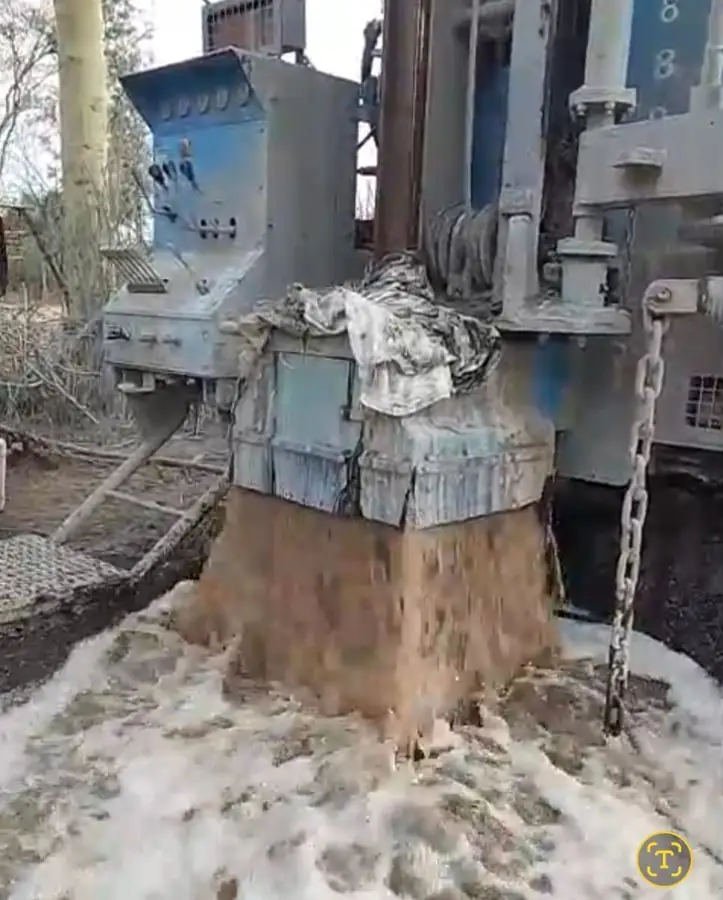
- Drilling and casing. Most school boreholes are drilled in one to three days once the rig is on site.
- Test pumping and water analysis. Proves how much water the borehole can safely give and whether it is safe to drink. See borehole test pumping.
- Pump, tank and taps. A solar or electric pump fills an elevated tank, which feeds kitchen, dormitory and hand washing points by gravity. See borehole equipping.
What a School Borehole Costs
| Depth | Drilling (KES 6,500 to 7,200 per m) | Survey and permits | Estimated total |
|---|---|---|---|
| 80 m | KES 520,000 to KES 576,000 | KES 135,000 | KES 655,000 to KES 711,000 |
| 120 m | KES 780,000 to KES 864,000 | KES 135,000 | KES 915,000 to KES 999,000 |
| 150 m | KES 975,000 to KES 1,080,000 | KES 135,000 | KES 1,110,000 to KES 1,215,000 |
| 200 m | KES 1,300,000 to KES 1,440,000 | KES 135,000 | KES 1,435,000 to KES 1,575,000 |
The table uses our standard rates with the KES 50,000 survey and about KES 85,000 for permits. The pump, tank, solar and plumbing are extra and depend on how much water the school needs.
For jobs booked by 30 November 2026, Black November rates are KES 6,500 per metre with PVC casing and KES 6,700 with steel casing. Estimate your total with our borehole cost calculator.
How Schools Fund a Borehole
Most schools combine more than one source. Common ones are the school board and parents, county and constituency development funds, alumni groups, churches and partner organisations.
A clear plan helps every funder say yes. Include the survey report, the water demand from the calculator above and a written quote. Our guide on how to pay for a borehole has more ideas.
Keep It Working for Years
A school borehole serves hundreds of children, so plan who looks after it. Agree a small maintenance budget, keep the pump records and test the water every year.
Our guides on how often boreholes should be maintained and borehole maintenance and repair explain what to check.
Planning a borehole for your school?
WhatsApp us the school name, location and number of pupils. We will tell you the expected depth and a cost range, and help you prepare a quote for your board or funders.
WhatsApp 0727 666 444Call 0797 000 555Planning a borehole for a whole village or church? Read how to plan, fund and run a community borehole.
Frequently Asked Questions
How much water does a school need per day?
The World Health Organization standard is at least 5 litres per pupil per day for a day school and 20 litres per boarder, for drinking, cooking and hand washing. Flush toilets add roughly 10 to 20 litres per person on top.
How much does a borehole for a school cost in Kenya?
It depends mainly on depth. With Bonvic, air drilling is usually KES 6,500 to 7,200 per metre including casing, gravel packing, test pumping and water analysis. The survey and permits are extra, and pump, tank and solar depend on the size of the school.
Who pays for school boreholes in Kenya?
Schools fund boreholes through the board and parents, county and constituency funds, alumni, churches and partner organisations. Many combine sources. Our guide on how to pay for a borehole covers the options.
Does a school borehole need permits?
Yes. You need a hydrogeological survey, Water Resources Authority authorisation and NEMA and county approvals before drilling. We prepare and submit the file.
Can a school borehole run on solar?
Yes, and it suits schools well because most water is used during the day. Solar removes the monthly power bill, which matters for school budgets.